
Integrating User Research
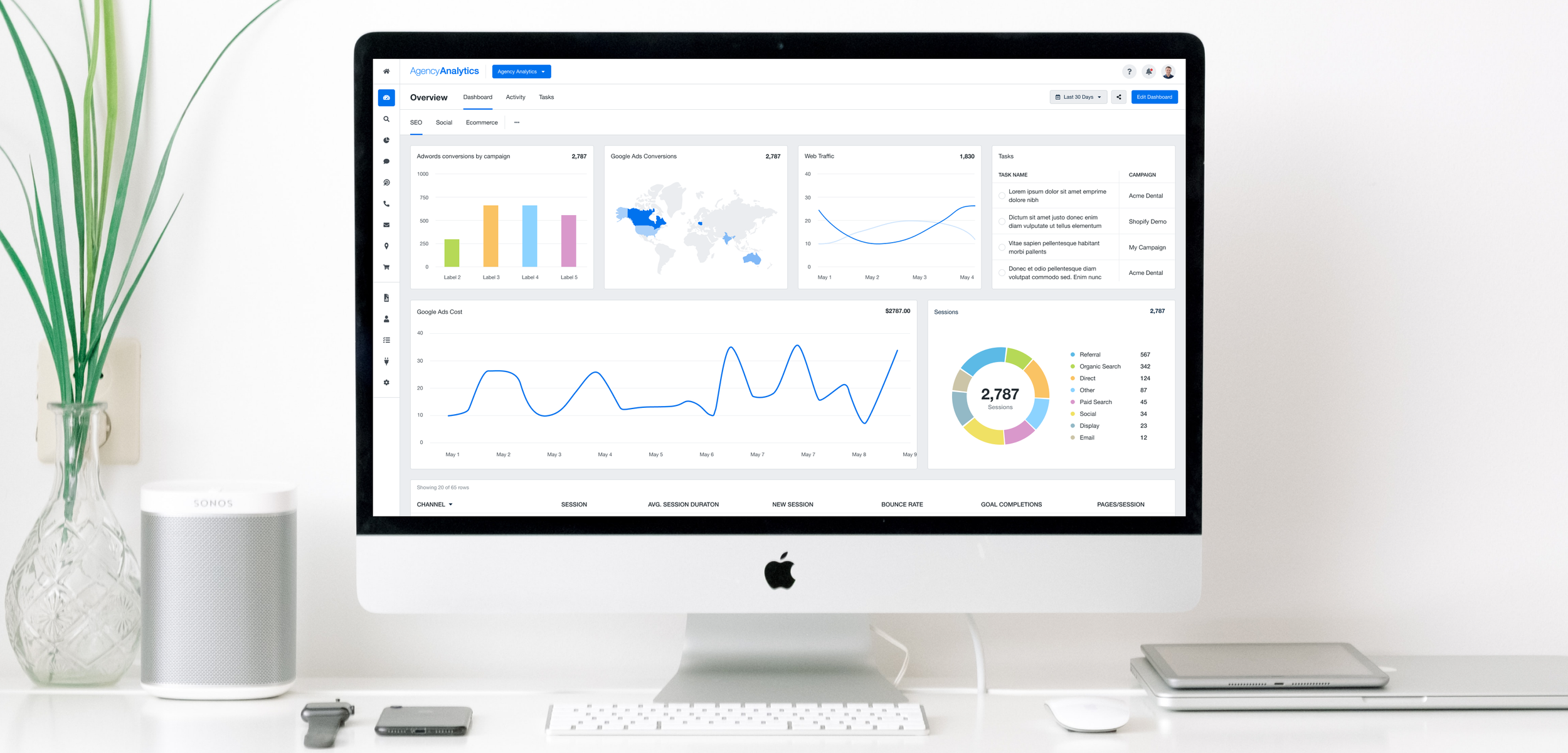
This is the story of how I managed the design team to revamp a dashboard while integrating user research into the organization’s product development process.
To comply with the NDA, confidential information has been omitted and obfuscated. This case study is published with the approval of AgencyAnalytics.
CHAPTER ONE
OVERVIEW
| At a Glance
My Role Design Manager at AgencyAnalytics
Challenges Incorporating user research methods in design process
Improving customization in dashboard designs despite platform complexities
Impact Implemented and increased system usability scale by 20%
Achieved 10% increase in MRR in one year
| Background
AgencyAnalytics is a no-code software that provides insightful reports and live marketing dashboards for 6000+ marketing agencies.
| The Problem
Our product posed an innovator’s dilemma: despite our deep feature sets, competitors were gradually offering more usable products.
| The Goal
AgencyAnalytics recognized that investing in user experience was a strategic priority. I came in with the goal of building a user research process from the ground up, and fostering a work environment that facilitated collaboration and creativity for the design team.
CHAPTER TWO
SETUP
| Implementing Frameworks
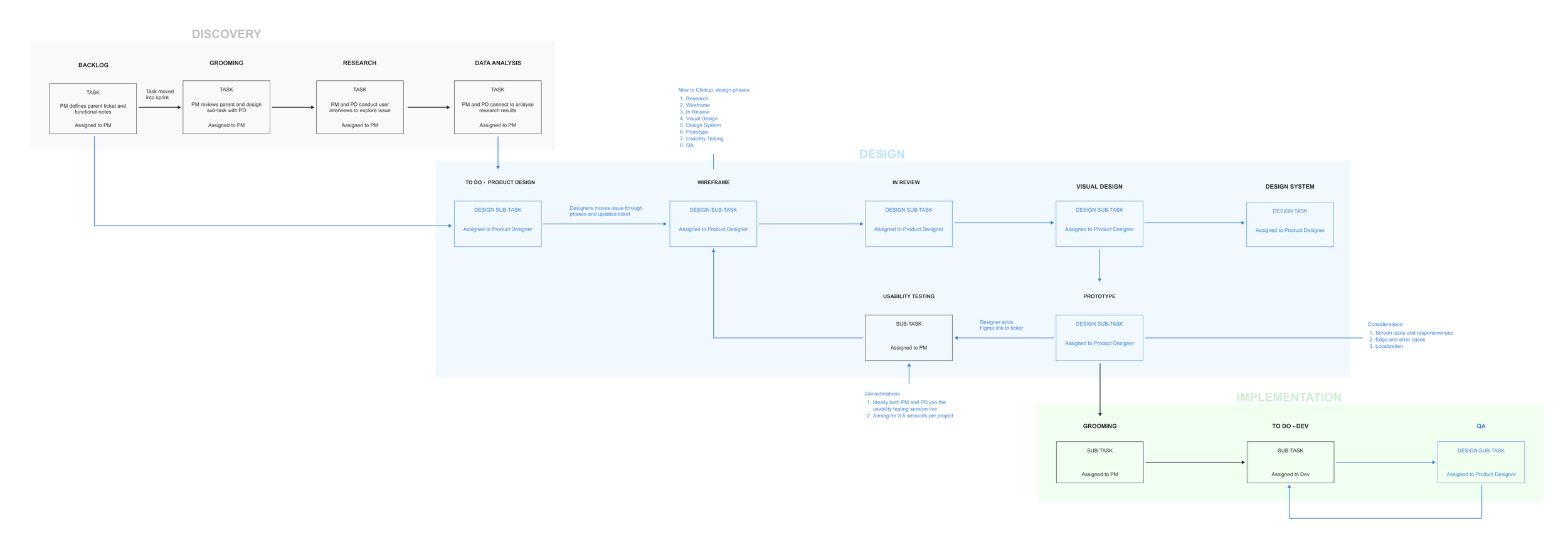
As the design manager, I implemented key frameworks like a user-centered design process and introduced a new step - discovery, which involves conducting user research and synthesizing data before jumping into Figma.
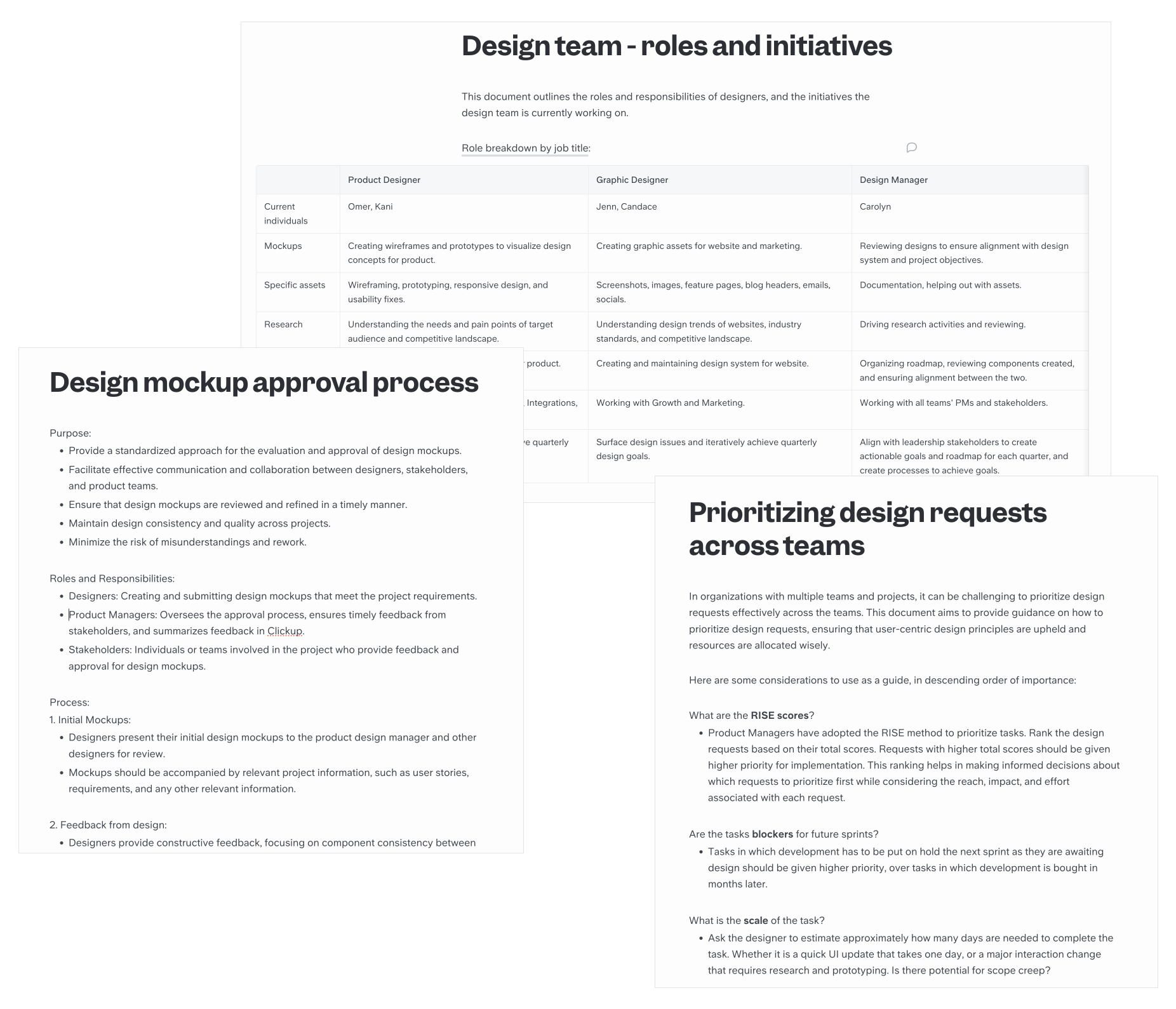
There was initially confusion regarding designers’ responsibilities and how requests and mockups get prioritized and approved. To clear things up, I introduced processes and communicated them with teams that work closely with design.
| Research and Synthesis
To ensure we are solving the right problems, I convinced the executive leadership team that investing time in user research will set us on the right path, and worked with PMs on setting up a few calls with customers to get us started.
Through these user interviews, we eventually developed a persona on which we base our design decisions.
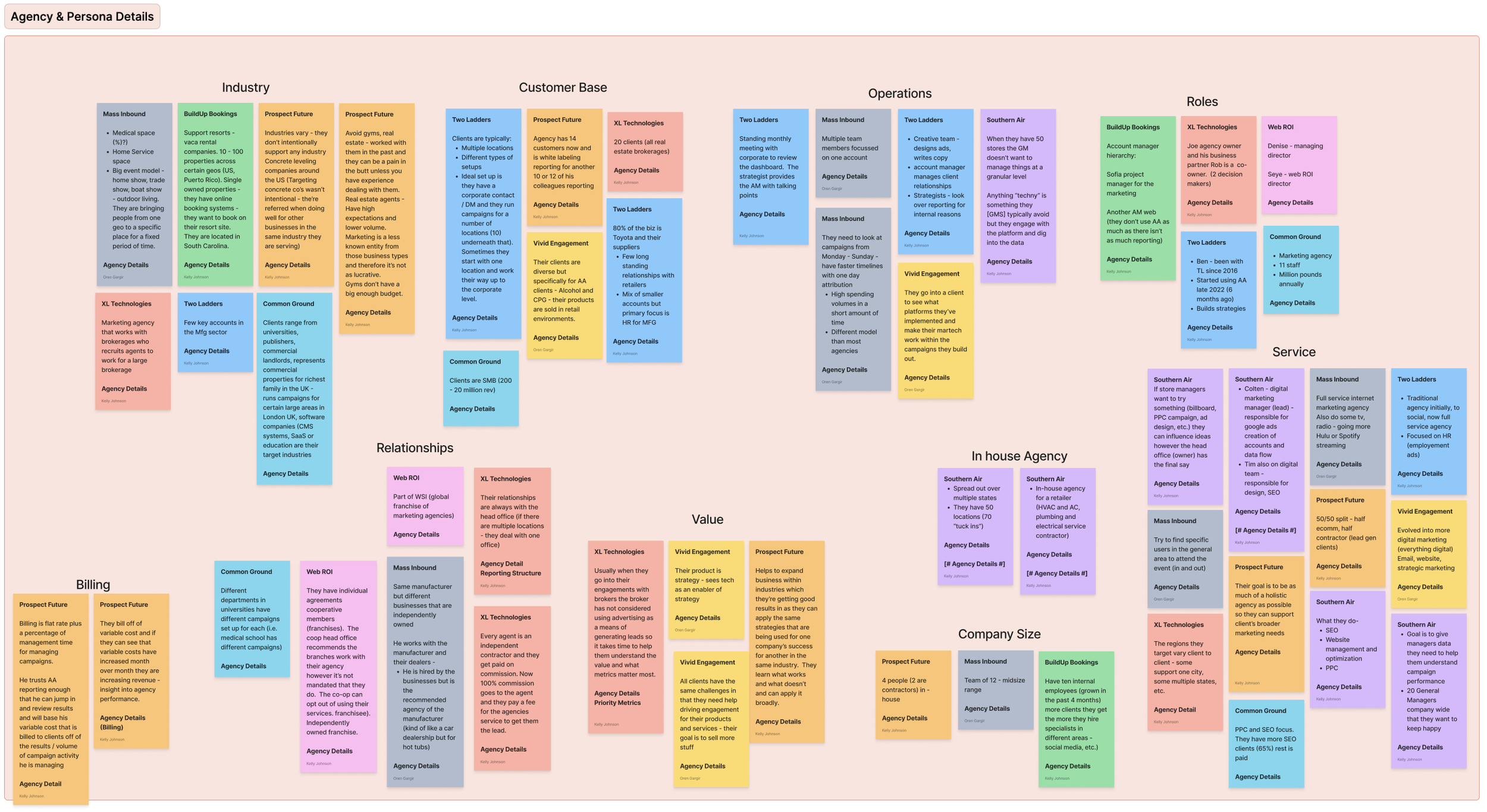
My role here was to guide designers through the research and synthesis process by providing tips and best practices, mentoring them through challenging steps, and reviewing the deliverables produced.
CHAPTER THREE
ITERATIONS
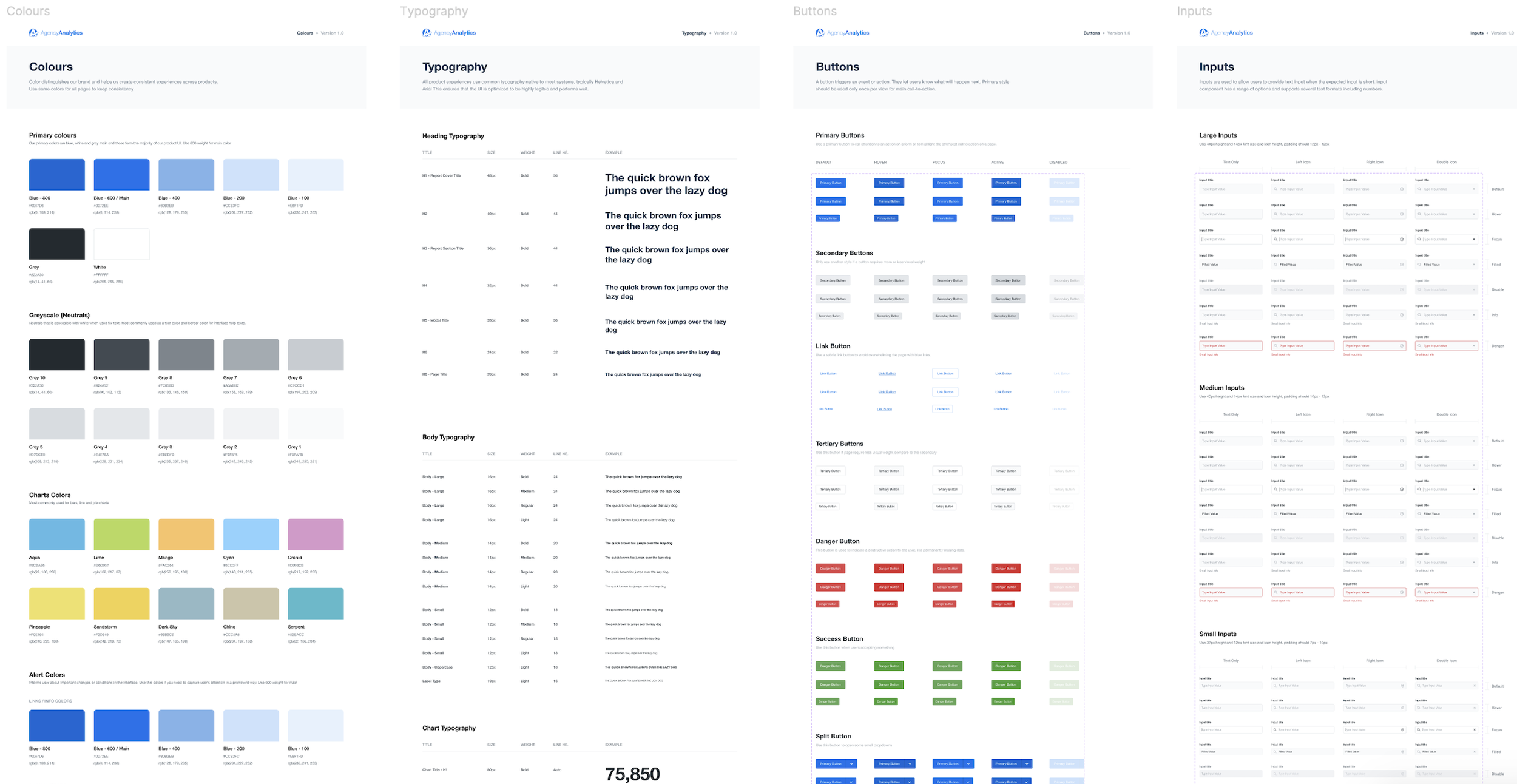
| Establishing Design System
When I first joined the company, there wasn’t a design system in place and I noticed many component inconsistencies.
One of the first things I did was to integrate building the design system as part of each sprint cycle, and at the same time conduct an audit of all components to create a list of fixes.
| Interface Design
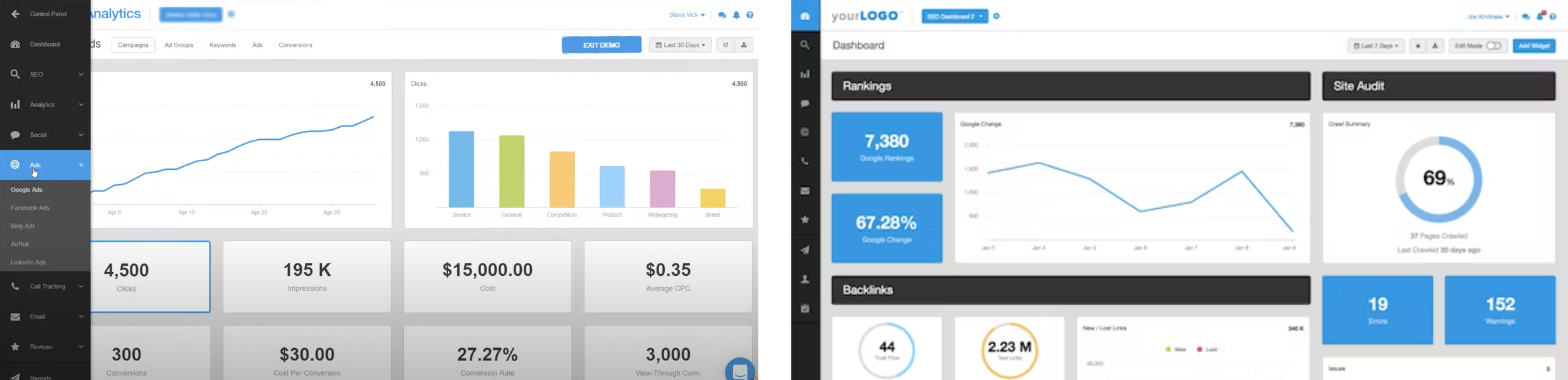
After the content, layout, and flow have been agreed upon, I then asked the user interface designers to create the high-fidelity wireframes and prototype in Figma.
A couple of our early designs:
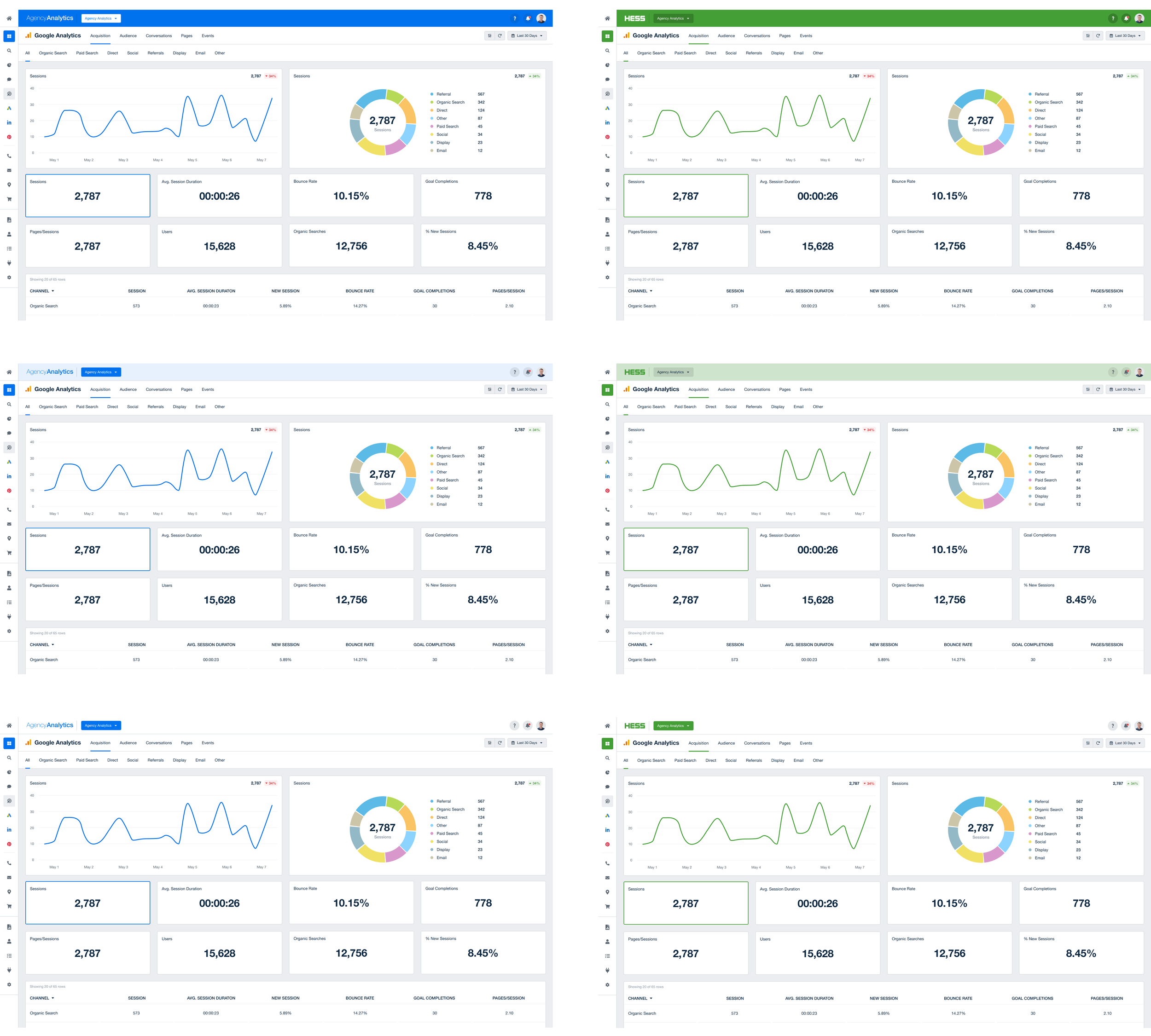
A key topic that surfaced during our customer interviews was that agencies wanted to superimpose their own brand so their customers are not confused about which product they’re using. We tested out a few variations on how that would look, and ended up with the third version below:
| Compromising
There were compromises made between departments along the way, for example:
From the design perspective, we envisioned a highly flexible dashboard where users can freely position widgets anywhere on the screen for a personalized layout.
From the technical standpoint, developers were concerned that implementing absolute freedom would result in a resource-intensive system, affecting performance and load times.
To address this, we ended up defining a predefined grid-based system for widget placement. While not as freeform as the initial design, this compromise allowed us to strike a balance between customization and maintaining a responsive layout.
CHAPTER FOUR
EVALUATION
| The Release
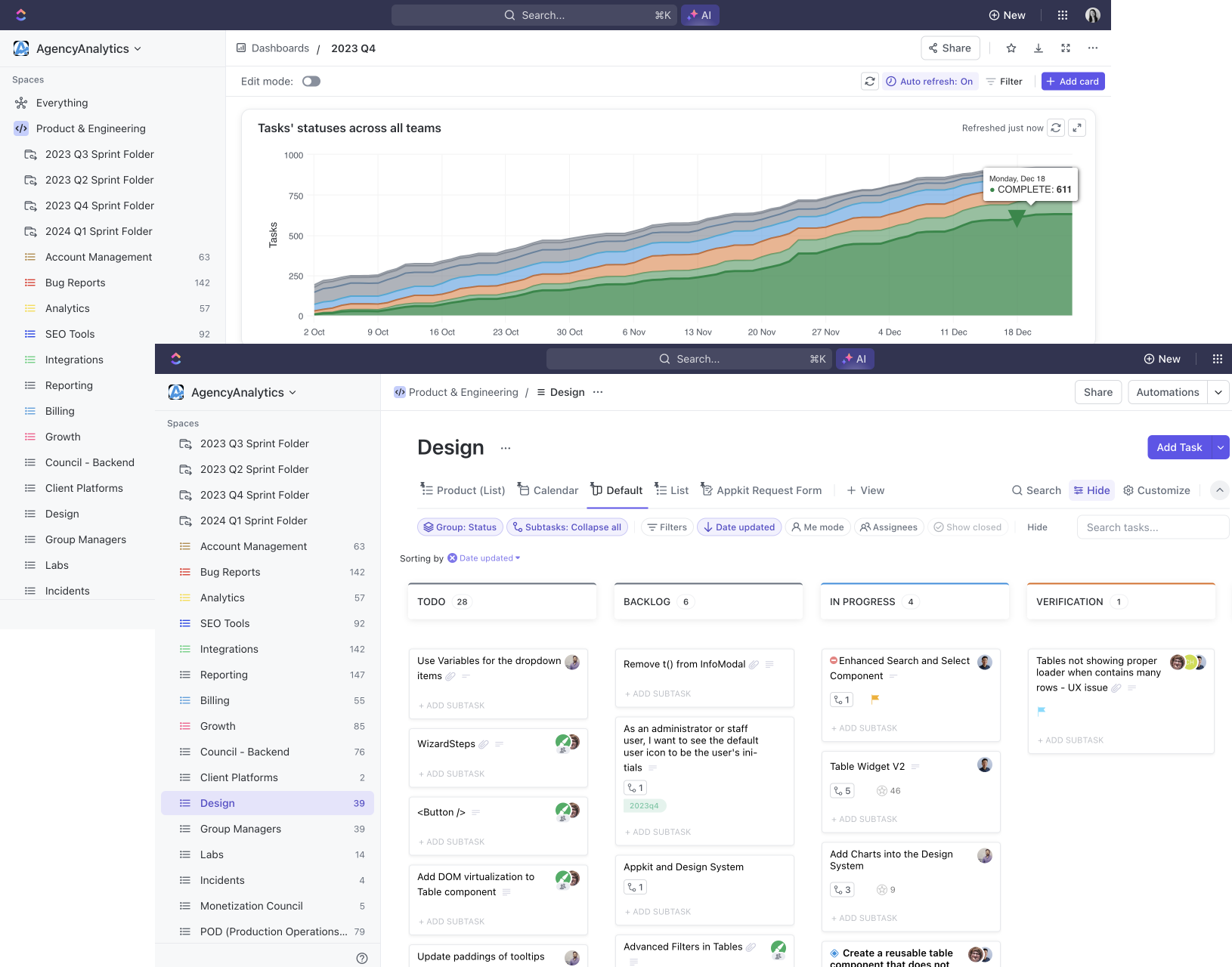
In December 2023, the project was released as scheduled, this was important to the stakeholders, so I ensured we stuck with the promised timeline.
| The Impact
As users interacted with the revamped dashboard, positive feedback poured in:
“Loving how super intuitive it is for a user like me. The widgets and visuals are great.”
“I love how easy the platform is to use. Great layouts and the report looks great. There are lots of places that you can customize and change.”
Below is a quick summary of our data obtained in the span of a year:

Today, our designs are touching thousands of agencies every day with improved experiences, reduced support costs, and optimized conversion rates.
CHAPTER FIVE
CONCLUSION
| Challenges and Lessons
Implementing user research methods was a multifaceted challenge that required a strategic and holistic approach. One major hurdle was convincing stakeholders of the value of incorporating user research into the design process. Understandably, many were used to traditional product development methodologies and were skeptical about the benefits of investing time and resources in research.
To overcome this, I developed a comprehensive presentation highlighting case studies and success stories where user-centric design had significantly improved product outcomes. This approach helped bridge the gap between the technical and user-focused perspectives, laying the foundation for a more UX-aware organizational culture.
| Up Next
Thank you for reading! Take a look at my case study on leading a team to design a SDK video product at Apryse here.