
Scaling Design Maturity
This is the story of how I managed a design team to create Webviewer while improving the design process, department influence, and design maturity within the organization.
To comply with the NDA, confidential information has been omitted and obfuscated. This case study is published with the approval of Apryse.
CHAPTER ONE
OVERVIEW
| At a Glance
My Role Product Design Manager at Apryse
Challenges Early stage design department and maturity
Setting up proper design process and team structure
Impact Increased design relevance and influence
Achieved 10M ARR
| Background
Apryse is a software company that provides document-processing technologies for 2000+ enterprises and over 30 million consumers.
The company has only recently started to look more seriously into design.
| The Problem
As with every new department, design faced certain challenges:
Misunderstandings about design process and workflows
Limited influence on product vision and goals
Gaps in cross-functional communication
Lack of team management, structure, and career development
| The Goals
Beyond managing 14 full-time Product Designers, I engaged with Product Managers, Marketers, Developers, Heads and VPs to tackle problems affecting our teams and products.
My high level goals were to elevate designers' influence in product strategy by engaging stakeholders around design methods and metrics, and increase the organization's design maturity through continuous training and mentoring.
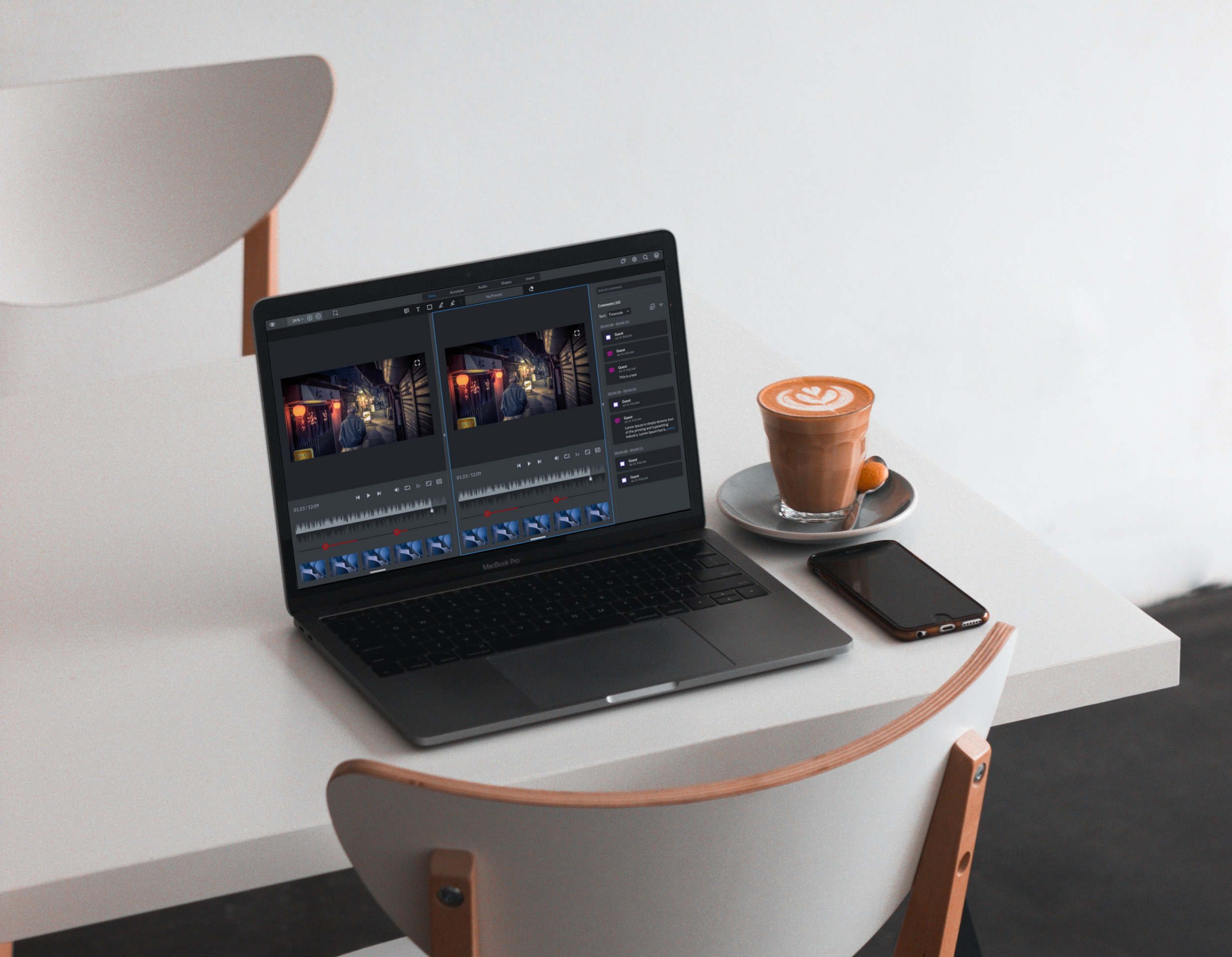
This video product's scope was to identify the key features through competitive analysis and user insights, map the potential solutions based off that research, and create a new interface.
CHAPTER TWO
SETTING THINGS UP
| Scaling the Team
We went from three designers in 2020 to a multidisciplinary team of fourteen in 2022.
Understanding gaps in skills and bringing in the right talent was just the beginning. Mentoring and management were essential to building our designers' confidence and elevating their contribution.
I helped them develop soft and hard skills through 1-on-1s, design reviews, delegating assignments, and knowing when to get out of the way.
| Convincing Stakeholders
The design team's cross-functional partners in product wanted to move quickly on this project with the assumption that we don't have a need for user research.
By advocating for and sharing methods such as user interviews, I helped our teams develop fluency in framing real peoples' problems, defining clear value propositions, and running user tests.
| Research and Synthesis
I convinced the product manager to set up a few calls with customers to set us on the right path. Through these user interviews, we uncovered the user flow and then eventually developed a customer journey map and a persona in which we base our design decisions on.
At the same time, I asked my team to look at a few competitors with the dual purpose of understanding what current market looks like to inform the designs, and validating key features in order to remain a competitive edge:
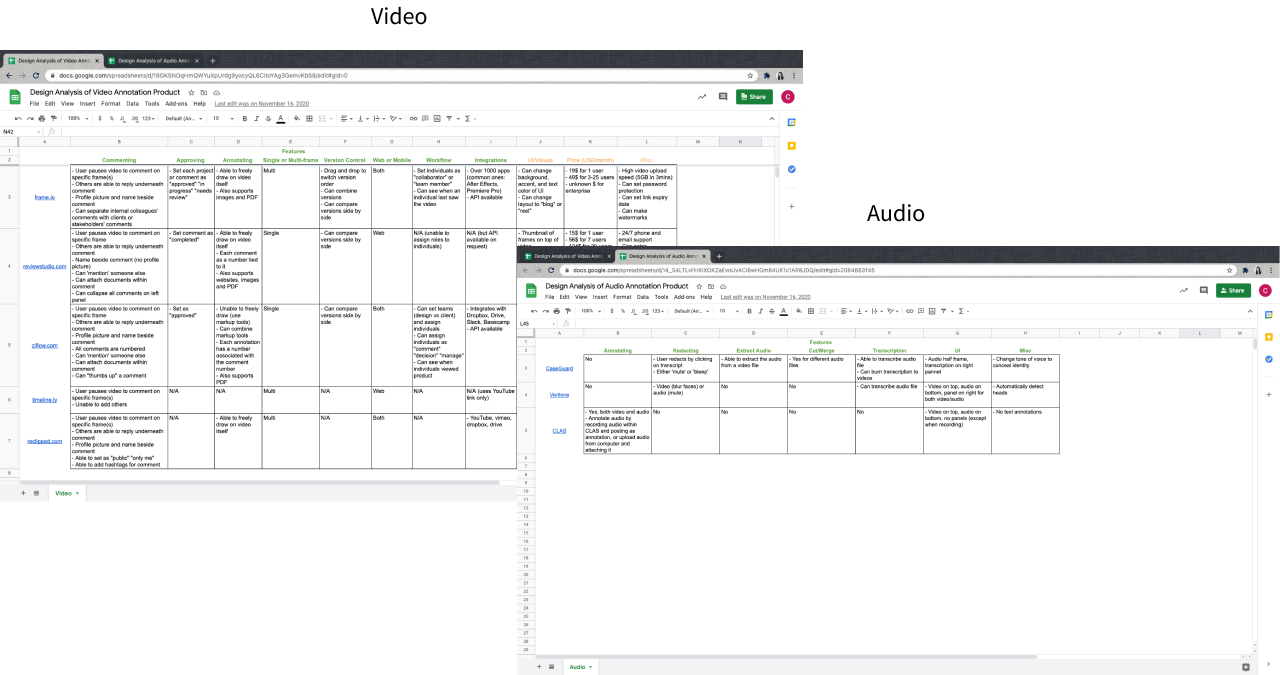
My role here was to guide designers through the research and synthesis process by providing tips and best practices, mentoring them through challenging steps, and reviewing the deliverables produced.
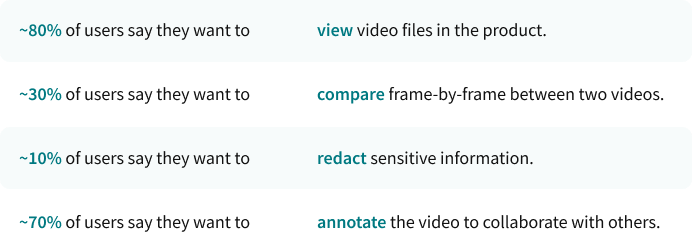
I asked my team to summarize our findings into the below user needs:
CHAPTER THREE
ITERATING DESIGNS
| Establishing Sprint Cycles
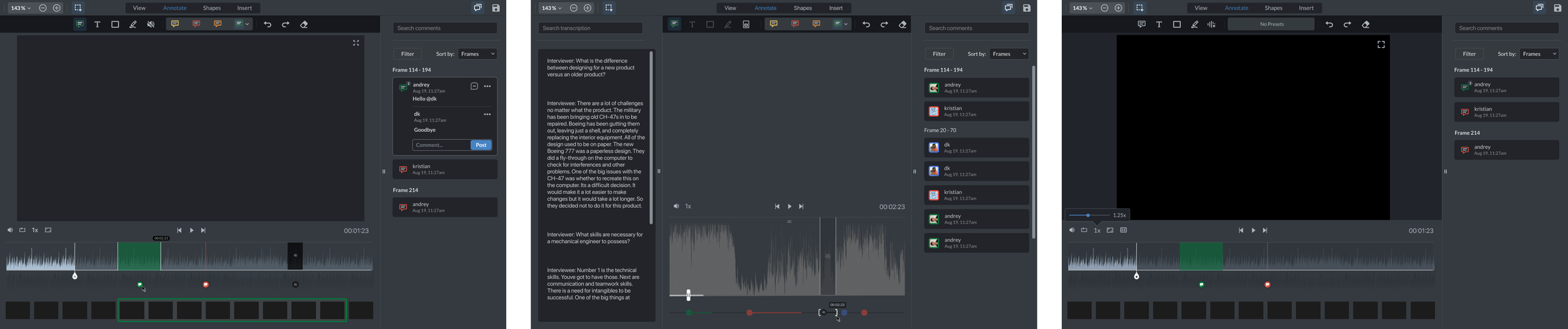
One of the first things I did was to make sure we didn’t jump into high-fidelity designs straight away. Rather, we operated in a two-week sprint schedule, where we explored ideas rapidly.
I prioritized the features and tasks a couple months in advance of each sprint cycle, and set up weekly design reviews to ensure the appropriate stakeholders have a chance to review designs before they get too far along.
A couple of our early design iterations:
| High-Fidelity Designs
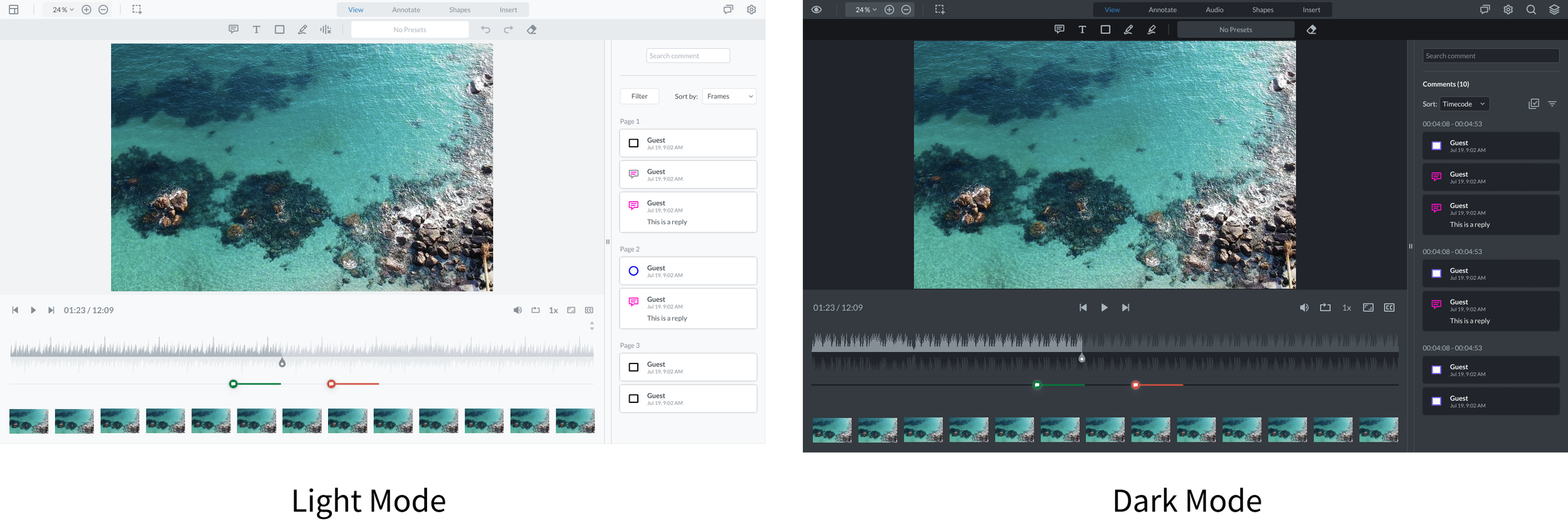
After the flow has been agreed upon, I then asked the user interface designers to create the high-fidelity wireframes and prototype in Figma. This product was designed simultaneously in light mode and dark mode, as it is the standard of the company to have themes available in both.
| Cross-Functional Collaboration
Throughout the process, I ensured the relevant stakeholders were kept in the loop regarding our design decisions. We worked very closely with development during implementation and revised certain aspects of the design based on technical constraints.
CHAPTER FOUR
EVALUATION
| The Launch
In September 2021, the product launched as scheduled. We received positive feedback from customers:
“I think the look and feel, the user experience is a really big plus for us ... customers come to us because they want a seamless user experience.”
“Aesthetically and from an intuitive perspective, Apryse was a more user-friendly, intuitive UI. So we gave some bump-up points compared to others in that regard, just from a simple, 'I'm a user I want to do X, Y and Z. Am I going to be able to figure this out on my own?'”
| Did I Reach My Leadership Goals?
It's really hard to change a culture, but extremely rewarding. This journey was a collaborative effort in partnership with a great group of Managers, Directors, Heads, and VPs who trusted me to lead crucial initiatives in the company, apply new methods, and test new product building approaches.
I'm proud of the influence and that executives now have a mindset of design being the core of what we do, and the excellent team I was able to hire and work with. I'm sure they will keep pushing high standards for design work.
| Measuring and Sharing Impact
Design impact can be tangible, such as raising user engagement. To ensure visibility of design work, we measured every activity. Did we positively impact metrics? If yes, what can we repeat? If no, what can we do differently next time?
Over the two years, design work went from outputs (screens) to outcomes (impact on users).
| How About the Project Goals?
When we first started working on the product, we aimed to license to 500 customers. Three months after the launch, we surpassed our target goal by 300%! This was a pleasant surprise, as it was way more than the number of customers who initially expressed interest in this product.
The finance department also happily reported that the revenue generated from this product increased the overall market share of the business. Since this was one of the first products with a fleshed out design team and process, I was pleased to hear we produced tangible results.
| The Impact
Below is a quick summary of our data obtained in the span of a year:

Overall, I'd say the project was a success as I managed a team of designers to create a novel product that met users’ and the business’ needs.
CHAPTER FIVE
CONCLUSION
| Challenges and Lessons
Transitioning from an Individual Contributor to a Management role has been a rocky start, but filled with valuable lessons and excitement. A tough challenge I encountered was balancing time and focus between different groups of people: my direct reports, my own manager, the executive team, other department managers, and their direct reports.
I found what helped was to set expectations early and be transparent about decisions, this way I was able to gain the trust and respect of my designers and other colleagues.
Another challenge I faced was wide timezone differences. I managed designers in North America, Europe, and Asia - which meant there were only a few hours that our availability overlapped.
I mitigated this challenge by 1) accommodating both synchronous and asynchronous workflows 2) having overlap hours planned ahead 3) hosting daily standups 4) organizing virtual socialing. I've learned that there is no such thing as over-communicating when working remotely.
| Up Next
Thank you for reading! Take a look at my case study on designing a mobile app for job seekers at the Government of Ontario here.